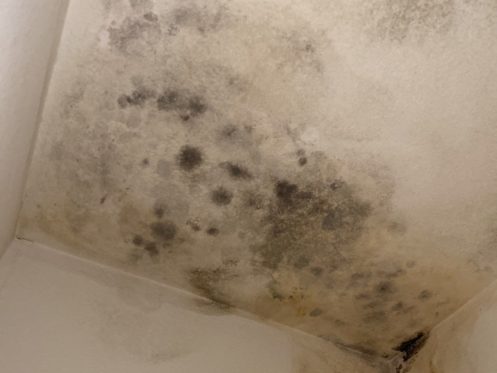
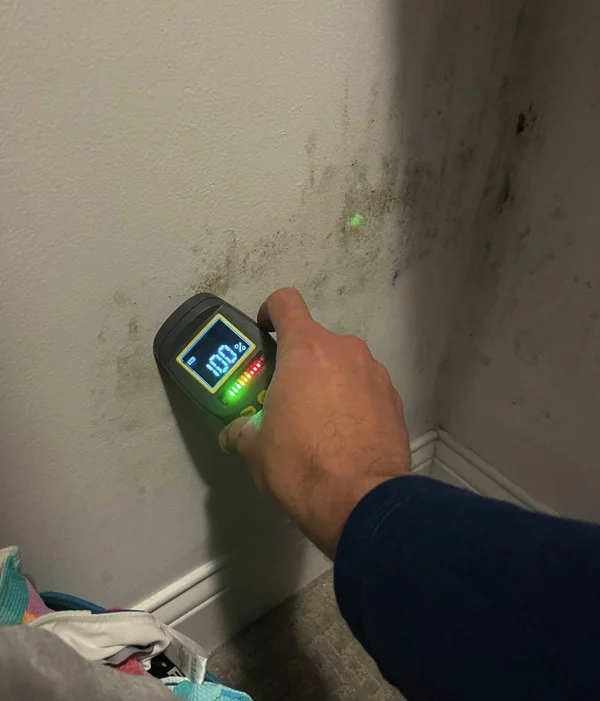
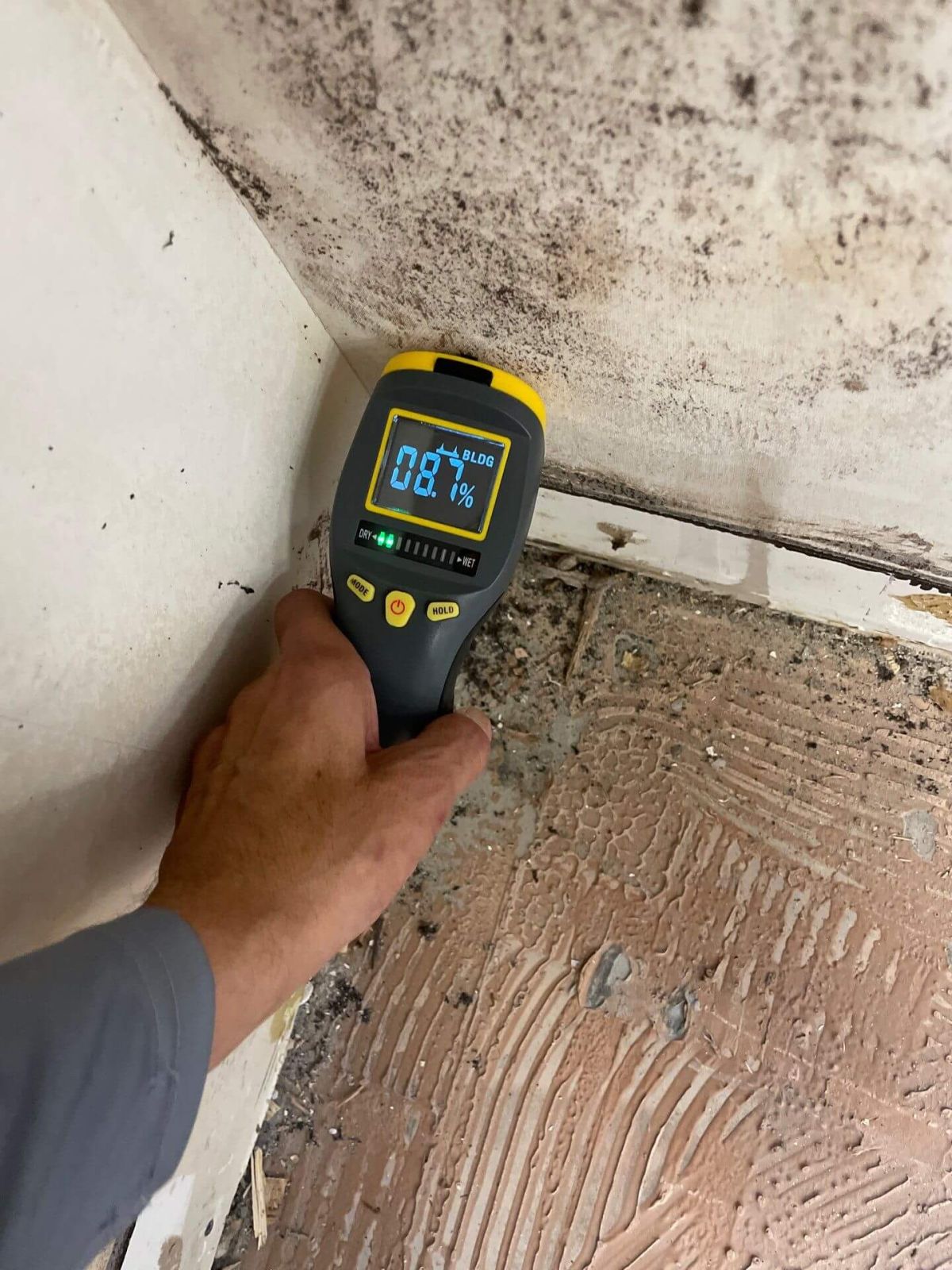
Black mold gets most of the attention, but white mold is just as common. It’s often missed because it blends in against wood, drywall, and concrete instead of standing out the way darker mold does. If you’ve found pale, fuzzy, or powdery patches somewhere in your home, here’s what you’re actually looking at and what to do about it.
What is white mold, exactly?
“White mold” isn’t a single species. It’s a description of appearance, not a specific type of mold. Several different mold species can appear white, especially in their early growth stage or when growing on certain materials, and some molds that are typically green, gray, or black can start out white before they mature and develop pigment. That’s part of why color alone is an unreliable way to judge how serious a mold problem is.
White mold typically shows up as fuzzy, thread-like, or powdery patches, and it’s most commonly found on:
- Wood framing, joists, and subfloor in crawl spaces and basements
- The paper backing of drywall
- Insulation
- Damp cardboard or stored fabric
- Bathroom and kitchen grout or caulk
White mold vs. mildew vs. efflorescence
White mold is often confused with two other things that show up in similar spots:
- Mildew is a surface-level fungal growth (often white or gray, sometimes powdery) that tends to stay shallow and is common on fabric, shower walls, and plant leaves. It’s generally less structurally invasive than mold, though both should be addressed.
- Efflorescence is not biological at all — it’s a white, crystalline mineral deposit left behind when water moves through concrete or masonry and evaporates, carrying salts to the surface. It’s common on basement walls and foundations.
A simple field test: efflorescence will dissolve or disappear if you spray it with water, since it’s mineral salt. Mold and mildew will not. They’ll usually smear or stay put. If you’re still not sure after that test, that’s exactly what professional mold testing is for.
Is white mold dangerous?
Here’s the most important thing to understand: there’s no way to determine how dangerous a mold is just by looking at its color. According to the EPA, there is no practical way to eliminate all mold and mold spores from an indoor environment — which is why the agency’s guidance focuses on moisture control rather than trying to identify and rank every type of mold by risk level.
The CDC takes a similar position on health effects: exposure to damp, moldy environments can cause symptoms like a stuffy nose, sore throat, coughing, wheezing, and eye or skin irritation, though reactions vary by person and some people won’t react at all. People with asthma, mold allergies, chronic lung conditions, or weakened immune systems are at higher risk of more serious symptoms. Neither agency recommends judging urgency by mold color — the recommended response (remove it, fix the moisture source) is essentially the same regardless of what shade it is.
Why white mold gets overlooked
White mold’s biggest risk isn’t necessarily toxicity — it’s that it’s easy to miss. Against unfinished wood, drywall paper, or light-colored insulation, white mold can be mistaken for dust, spilled drywall compound, or simply overlooked entirely during a casual inspection. That often lets it spread further, and for longer, before anyone notices — especially in crawl spaces and attics that don’t get regular foot traffic.
What to do if you find it
- Don’t just paint or seal over it. Covering visible mold doesn’t remove it or the moisture feeding it — the growth typically continues underneath, out of sight.
- Get it professionally inspected. A mold inspection identifies not just the visible patch, but how far it may have spread into adjoining materials and where the moisture is coming from.
- Confirm with testing if there’s any doubt. Lab-verified air or surface sampling settles the mold-vs-mildew-vs-efflorescence question definitively.
- Fix the moisture source. Whether it’s a leak, poor ventilation, or high humidity, the mold will return if the underlying cause isn’t addressed.
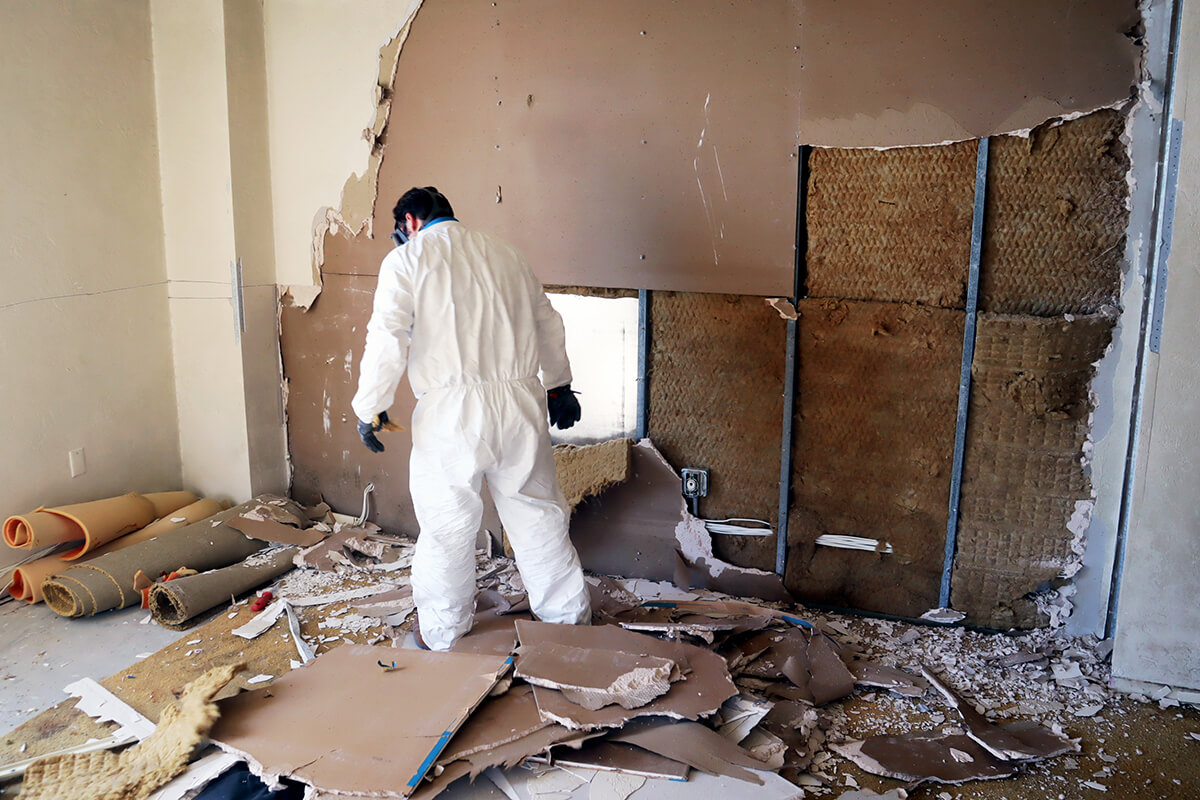
Pur360’s mold remediation process is chemical-free and treats mold in fabrics, framing, ductwork, and wall cavities — not just what’s visible on the surface — with a 24-hour-or-less turnaround and a guarantee to retreat at no charge if mold returns once the moisture source is corrected.
“The project went well from start to finish with an acceptable post-remediation mold test of the entire apartment. Everything was done on time and on budget with no surprises. So far, we have been very pleased!”
– Robert A (Angi’s List review)
If you’ve spotted white, fuzzy, or powdery patches and aren’t sure what you’re looking at, schedule a mold inspection and get a definitive answer instead of guessing.
Frequently asked questions
Is white mold more or less dangerous than black mold?
There’s no reliable evidence that color correlates with danger. Both the EPA and CDC recommend treating any indoor mold growth as something to remove and address at the source, rather than ranking urgency by appearance.
Can white mold turn black over time?
Some mold species do darken as they mature and produce more pigment, which is one reason a patch that looked white a few weeks ago might look different later. This is a sign of continued growth, not a new problem.
Does bleach kill white mold?
Bleach can kill mold on non-porous surfaces but generally can’t reach mold that has grown into porous materials like wood or drywall, where it will often return. For anything beyond a small, hard-surface spot, professional assessment is the more reliable route.