
Does homeowners insurance cover mold remediation? Sometimes, and the difference comes down to what caused the mold and how fast you acted.
If mold grew because of a sudden, accidental event your policy covers (think burst pipe, an ice dam, a washing machine hose letting go…) your insurance usually pays for remediation, up to a limit. If the mold came from a slow leak, high humidity, deferred maintenance, or flooding, you’re almost certainly paying out of pocket. And even when a claim is approved, most policies cap mold payouts somewhere between $1,000 and $10,000, which can be less than the remediation actually costs.
That’s the short version. The rest of this guide covers the specifics: exactly which situations are covered, why insurers wrote mold out of most policies twenty years ago, how to file a claim that doesn’t get denied on a technicality, and when filing a claim at all might work against you.
When does homeowners insurance cover mold remediation?
Homeowners insurance covers mold remediation when the mold came from a sudden, accidental event that your policy already covers. In insurance language, that’s called a “covered peril,” and the mold gets treated as resulting damage from that event rather than its own standalone claim.
That distinction matters more than most homeowners realize. When a claim gets approved, your insurer is really paying for the burst pipe, and the mold cleanup rides along on that coverage.
The situations that typically qualify look like this:
- A burst or ruptured pipe that soaks a wall, floor, or ceiling
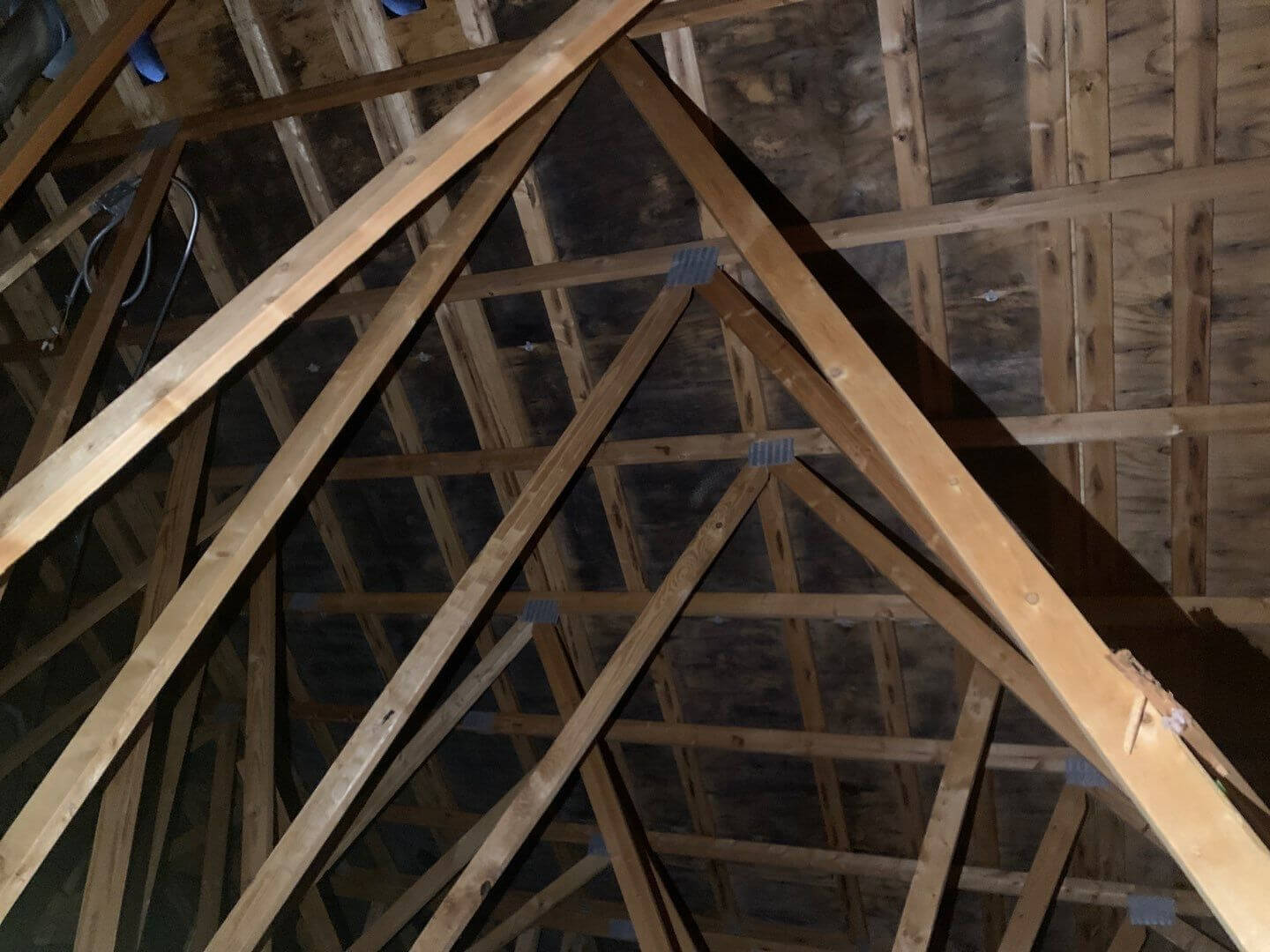
- An ice dam that forces water under your roof and into the attic
- A sudden appliance failure, like a washing machine hose letting go, a water heater rupturing, or a dishwasher flooding the kitchen
- Water used to put out a fire in your home
- Wind-driven rain that gets in through storm damage, like a hole torn in the roof
Notice the pattern here: Every one of these is fast, unexpected, and traceable to a single moment. You can point to the day it happened. That’s the test your claim has to pass, and it’s exactly what insurers mean when they say “sudden and accidental.”
One quick disclaimer before we go further: your specific policy language controls, and the rules vary by state and policy type. Everything in this guide describes how coverage typically works. But YOUR declarations page and YOUR agent have the final word on how yours works.
What does ‘sudden and accidental’ actually mean?
“Sudden and accidental” means the water showed up all at once, without warning, and you couldn’t have reasonably prevented it. A pipe that bursts on a Tuesday afternoon is sudden. A pipe that dripped inside your wall for eight months is not, even if you had no idea it was happening.
That second part trips up a lot of homeowners, so it’s worth exploring. Insurers judge “sudden” by how the damage happened, not by when you discovered it. Finding the mold suddenly doesn’t make the leak sudden. If an adjuster opens the wall and sees water staining, rusted fittings, or rot that clearly built up over time, the claim usually gets classified as gradual damage and denied, regardless of how surprised you were.
The “accidental” half is more straightforward. It just means nobody caused the damage on purpose and it wasn’t the predictable result of skipping maintenance. A water heater that ruptures out of nowhere is accidental. A water heater that finally gave out after years of visible corrosion is a maintenance issue in the eyes of most insurers, and maintenance issues are on you.
So, when you’re sizing up your own situation, ask yourself two questions. Can I point to the specific event that put the water there? And would a reasonable person have caught this earlier? If the answers are yes and no, you’re likely in covered territory. Anything else, and you should read your policy closely before getting your hopes up.
Does the type of mold matter to the insurance company?
No. Insurance companies care about what caused the mold and how long it took you to deal with it. The species growing on your wall has nothing to do with whether your claim gets approved.
This surprises people, because “black mold” carries so much weight in the public imagination that it feels like it should trigger some special level of coverage. It doesn’t. A claim involving black mold from a slow leak gets denied just as fast as any other gradual damage claim. And a claim involving common, garden-variety mold from a burst pipe gets approved like any other covered loss.
Where the type of mold can matter is on the remediation side, since some infestations take more work to clean up than others. A bigger job can burn through your policy’s mold limit faster. But that’s a cost question, not a coverage question. The adjuster deciding yes or no on your claim is looking at the water source and the timeline, period.
If anything, leaning hard on the phrase “toxic black mold” during a claim can work against you. It’s a media phrase more than a meaningful category, and adjusters hear it constantly. Stick to the facts they actually weigh: what happened, when it happened, and what you did about it.
When is Mold Not Covered by Insurance?
Mold is excluded from coverage when it grows slowly, when it traces back to maintenance you skipped, or when the water came from a flood. If the adjuster can argue the problem developed over weeks or months, the claim is in serious trouble.
Here are the situations that almost always get denied:
- Slow or long-term leaks. A pipe that seeped inside a wall, a faucet that dripped under a sink, a roof that let in a little water every time it rained. Even if you never knew about it, gradual damage is the single most common reason mold claims get denied.
- Humidity and condensation. Mold from a chronically damp basement, sweaty windows, or a poorly ventilated bathroom is considered an environmental condition, and environmental conditions are your responsibility to manage.
- Deferred maintenance and neglect. If you knew about a water problem and sat on it, expect a denial. Insurers treat mold as the predictable result of not fixing the leak.
- Pre-existing mold. Mold that was growing before your policy started, or before you bought the house, isn’t covered. This is one of many reasons a thorough inspection before closing is worth the money.
- Flooding. Standard homeowners policies exclude flood damage entirely, and that includes any mold that follows. Flood coverage is a separate policy, and as you’ll see in the next section, even that has a big catch.
The timeline deserves special attention, because it can sink an otherwise solid claim. The Insurance Information Institute, the insurance industry’s own consumer education group, has said that mold that’s been around for several weeks or longer likely won’t be covered, even when the original water event would have qualified. In other words, a covered burst pipe can still turn into a denied mold claim if you took your time dealing with it.
And yes, there’s an uncomfortable truth in all of this. A leak hidden inside your wall for months gets treated the same as a leak you ignored on purpose. It doesn’t feel fair, and plenty of homeowners have learned it the hard way. But it’s how the policies are written, and knowing that going in is exactly why documentation and fast action matter so much when water shows up. We’ll get to both later in this guide.
Does Flood Insurance Cover Mold?
Not really, which catches a lot of people off guard. Flood insurance covers the flood. Mold that grows afterward is largely considered your responsibility to prevent.
Here’s the logic behind it. The National Flood Insurance Program (NFIP), which is run by FEMA and provides most flood coverage in the U.S., expects you to start drying out and cleaning up your property as soon as the water recedes. Mold needs time to grow. So if mold shows up, the program’s default assumption is that cleanup didn’t happen fast enough, and FEMA states that its flood policies won’t cover damage from mold in those cases.
There are two exceptions, and they’re narrow:
- Officials blocked you from your property. If an authorized official banned entry to your area for safety reasons, mold that grew while you couldn’t get in may be covered.
- Floodwaters kept you out. If standing water in or around your home made it impossible to inspect or maintain the property, the same applies.
In other words, the exceptions only kick in when getting to your house is physically or legally impossible. “I was overwhelmed and didn’t get to it for a few weeks” doesn’t qualify, even though that’s the honest reality for plenty of families after a flood.
The practical takeaway: after a flood, the clock starts immediately. Mold can begin growing within 24 to 48 hours of water damage, which means your first day or two back in the house matters more than almost anything else.
Document everything with photos, then start drying the place out. Doing both quickly protects your flood claim and keeps a bad situation from turning into a worse one. If you’re in that spot right now, our guide on what to do after your home floods walks through the first steps in order.
One more distinction worth knowing: some private flood insurance policies handle mold differently, and a few offer broader coverage. If you carry private flood insurance, check your policy language rather than assuming the FEMA rules apply.
Why Did Insurers Stop Covering Mold?
The biggest reason insurers stopped mostly covering mold claims dates back to the early 2000s when those claims nearly broke the system, forcing insurers to rewrite their policies to ensure it never happened again.
The turning point was a Texas case. In 2001, a homeowner named Melinda Ballard won a massive jury verdict against her insurer over a mold-infested home in Dripping Springs, and the story went national. Media coverage of “toxic mold” exploded, lawsuits multiplied, and mold claims surged across the country, especially in Texas and other humid states. At one point the Insurance Information Institute pegged the typical mold claim at somewhere between $15,000 and $30,000, which was an enormous number for something policies had never been priced to handle.
Insurers responded the way insurers do. Within a few years, mold exclusions and tight coverage caps became standard language in homeowners policies nationwide. Texas regulators and lawmakers got involved too, reshaping how mold coverage could be sold in the state. The result is the landscape you’re reading about in this guide: mold covered only as a byproduct of a sudden event, capped at a low limit, and excluded almost everywhere else.
That history is why the coverage gap still surprises homeowners today, as CNBC put it in a 2024 look at the issue.
People reasonably assume that damage to their home is what insurance is for. But the industry made a deliberate decision twenty-plus years ago that gradual mold risk belongs to the homeowner, and it hasn’t budged since. As Scott Holeman, media relations director for the Insurance Information Institute, told CNBC: “Mold claims won’t be covered if it’s a result of neglect,” pointing to the classic example of a pipe that leaks for months before anyone deals with it.
None of this is a reason to feel hopeless about coverage. It’s all about the context. Once you understand that insurers treat mold as a maintenance problem by default, the rest of the system makes sense: why the cause matters so much, why the timeline matters even more, and why the paperwork you generate in the first 48 hours often decides the outcome.
The next few sections get into exactly that.
How Much Will Insurance Actually Pay for Mold Remediation?
Even when your claim is approved, most policies cap mold payouts somewhere between $1,000 and $10,000. That cap is called a sublimit, and it exists specifically because of the history covered in the last section.
Here’s how it works: Your policy might cover your dwelling for $400,000, but buried in the policy language is a separate, much smaller limit that applies only to mold, fungi, and rot. Some policies set it at $10,000. Plenty set it at $5,000 or less. A few exclude mold entirely unless you’ve purchased extra coverage. You’ll find yours in the policy sections dealing with “fungi, wet or dry rot, or bacteria,” and if you can’t find it, your agent can point to it in about thirty seconds.
(Tip:It’s worth a phone call before you ever need it. Or even easier: Upload your entire home policy to an AI tool of your choice and ask it to determine your mold coverage and show you where in the policy it shows that.)
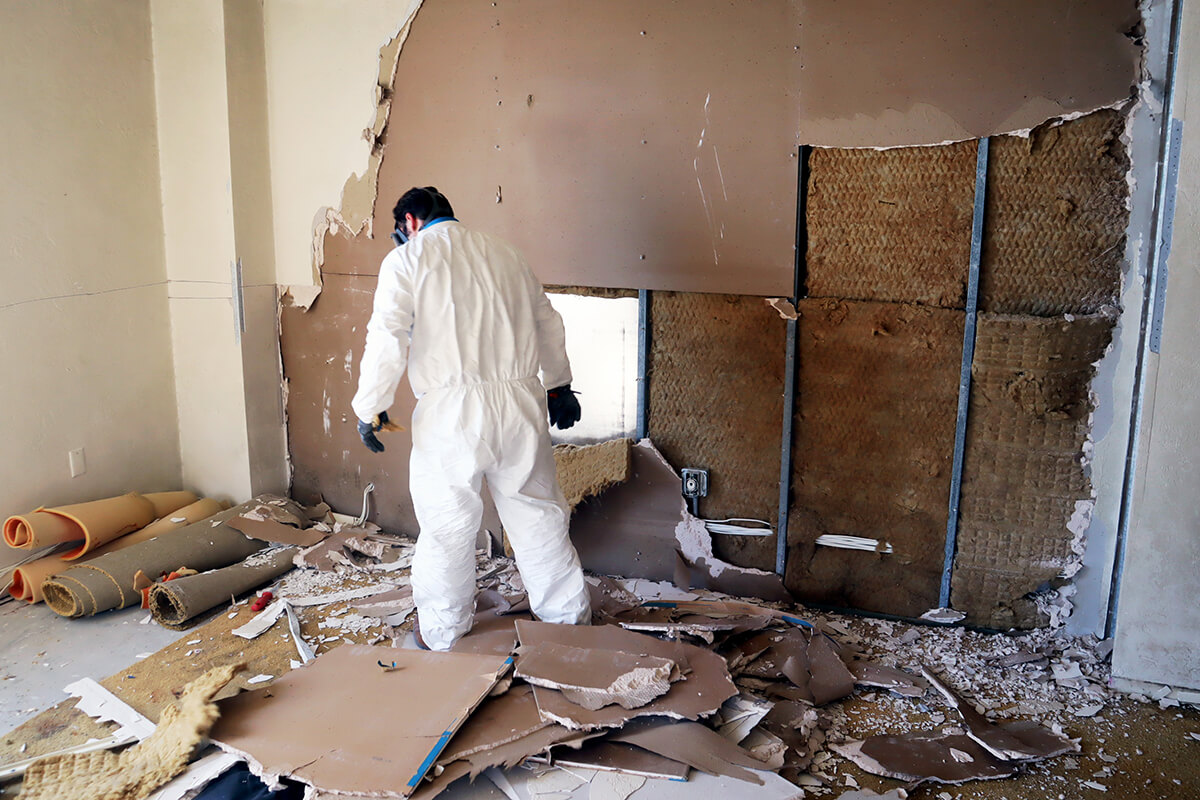
The problem is obvious once you compare that cap to real-world costs. A small, contained mold job might fit under a $5,000 sublimit. A serious infestation that’s spread through walls or a crawl space can run well past $10,000, which leaves you covering the difference even on an approved claim.
Now, one piece of insider knowledge that can genuinely save you money: not everything in a water-and-mold claim should count against your mold sublimit. The burst pipe repair, the soaked drywall, the ruined flooring… that’s water damage, and it falls under your regular dwelling coverage with its much higher limit. Only the mold-specific work should be drawn from the mold cap.
Say your flooring costs $2 per square foot to replace, but removing it with mold present costs $2.50. Only that extra 50 cents per square foot belongs against your mold sublimit. The rest is ordinary water damage.
Adjusters don’t always split it that way on their own, so review the claim breakdown and push back if mold’s small bucket is being filled with charges that belong in the big one. A remediation company that documents its scope in writing makes this argument much easier to win, because there’s a paper trail showing exactly which work was mold-related.
The takeaway: know your sublimit before disaster strikes, and when a claim happens, watch where every dollar gets categorized.
Can You Buy Extra Mold Coverage?
Yes. Most insurers sell add-ons that raise or restore mold coverage, and they’re worth a look if you live somewhere humid.
You have three main options:
- A mold endorsement (often called “limited fungi, wet or dry rot, or bacteria” coverage) raises your sublimit, sometimes to $25,000 or more, for an added premium.
- Water backup coverage handles sump pump failures and sewer backups, two common mold sources that standard policies exclude.
- Flood insurance, with the FEMA caveat covered earlier.
The cost depends on your home and your zip code. Humid markets pay more because the risk is real, and that’s exactly why the coverage earns its keep in places like Florida, Texas, and Louisiana.
One warning before you buy: read what the endorsement excludes. Some still deny gradual leaks and humidity, which are the situations most likely to actually happen. Specifically ask your agent: “What mold scenarios does this still not cover?”
How Do You File a Mold Insurance Claim?
Fast action and good documentation win mold claims. Here’s the order of operations:
- Stop the water. Shut off the source, whatever it takes. Every hour of moisture works against you.
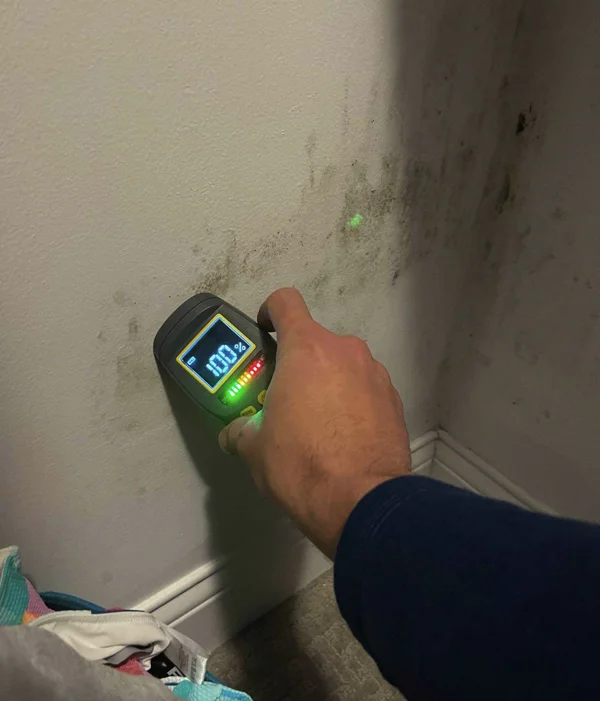
- Document before you clean. Photos and video of the water source, the damage, and the mold, with timestamps. Adjusters can’t evaluate what no longer exists.
- Notify your insurer right away. Remember the timeline problem: mold that sits for weeks likely gets denied. A prompt claim proves you acted.
- Keep the evidence. Don’t toss damaged materials until the adjuster has seen them or you’ve photographed everything thoroughly.
- Get a professional assessment. Independent lab results and moisture readings carry far more weight than your own description of the problem.
- Track mold costs separately from water damage costs. As covered earlier, only mold-specific work should count against your sublimit.
The documentation step is where claims are won or lost, and it’s the step most people skip in the rush to clean up. Zak Khoshbin, President of Pur360, says:
“The claims that get paid are the ones with a paper trail. When we assess a home, the homeowner walks away with independent lab results, photos, and moisture readings, which is exactly the documentation an adjuster needs to say yes. The claims that get denied are usually the ones where someone cleaned everything up first and then called their insurance company.”
The instinct to scrub the mold away immediately is understandable. Resist it long enough to build your record first.
What Should You Do If Your Mold Claim Is Denied?
Get the denial in writing, then figure out whether it’s worth fighting. Some denials can be overturned. Others are dead ends, and knowing the difference saves you months of frustration.
Work through it in this order:
- Request the specific policy language behind the denial. Insurers have to point to the exact provision. Sometimes the cited exclusion doesn’t actually fit your situation.
- Compare it against your documentation. If you can show the water event was sudden and your response was fast, you have grounds to appeal. Submit the photos, lab results, and timeline in writing.
- File a complaint with your state’s department of insurance. Every state has one, and a formal complaint gets your file a second look. It costs nothing.
- Get free help from United Policyholders. This nonprofit consumer group publishes claim guidance and has seen every version of a mold denial.
One honest note: denials based on gradual damage are hard to overturn, because the physical evidence inside your walls usually tells the story. If the adjuster found long-term staining and rot, an appeal probably won’t change the outcome.
Get the Documentation Your Insurance Company Can’t Argue With
Whether or not your situation turns into a claim, the assessment is where it starts.
Pur360’s process gives you independent lab results, moisture readings, and a written scope of work: the exact paper trail an adjuster needs, and the same numbers that tell you whether filing is even worth it.