
Mold comes back after remediation for one of two reasons: the moisture source was never fixed, or the cleanup didn’t actually reach all the mold.
Usually it’s the first one. Mold is a symptom. Moisture is the disease. Any contractor who treated the symptom and left the disease guaranteed a repeat visit, whether they meant to or not.
If you paid for remediation and you’re staring at new growth a few months later, this guide will help you figure out what went wrong, how to evaluate the work you already paid for, and what to require from whoever fixes it for good.
Is it normal for mold to return after remediation?
No. When remediation is done correctly, meaning the mold was removed and the moisture problem was solved, mold should not return to the treated area. Recurrence is a sign that something in the job was incomplete, not an unavoidable fact of life with mold.
That said, one clarification keeps expectations honest: mold spores exist in virtually every home and always will. Remediation doesn’t sterilize your house, and no honest company claims it does. The goal is returning mold to normal background levels and removing the conditions that let it grow. So a brand-new mold problem in a different part of the house, caused by a different water issue, isn’t a failed remediation. Regrowth in the same spot within weeks or months almost always is.
The timeline is your first clue. Mold can start growing within 24 to 48 hours once moisture is present. If the treated area stays bone dry, there’s nothing to fuel regrowth. Mold reappearing in the same place is the area telling you it’s still getting wet.
What did the first contractor probably miss?
Almost always, the moisture source. Killing visible mold is the easy half of the job. Finding and fixing the water that fed it is the half that separates real remediation from an expensive delay.
The usual misses fall into a few categories:
- The leak was never found. A pipe seeping inside a wall, a roof letting in small amounts of water, a foundation crack wicking groundwater. If the contractor never ran moisture readings or traced the water to its origin, they treated a wet area without asking why it was wet.
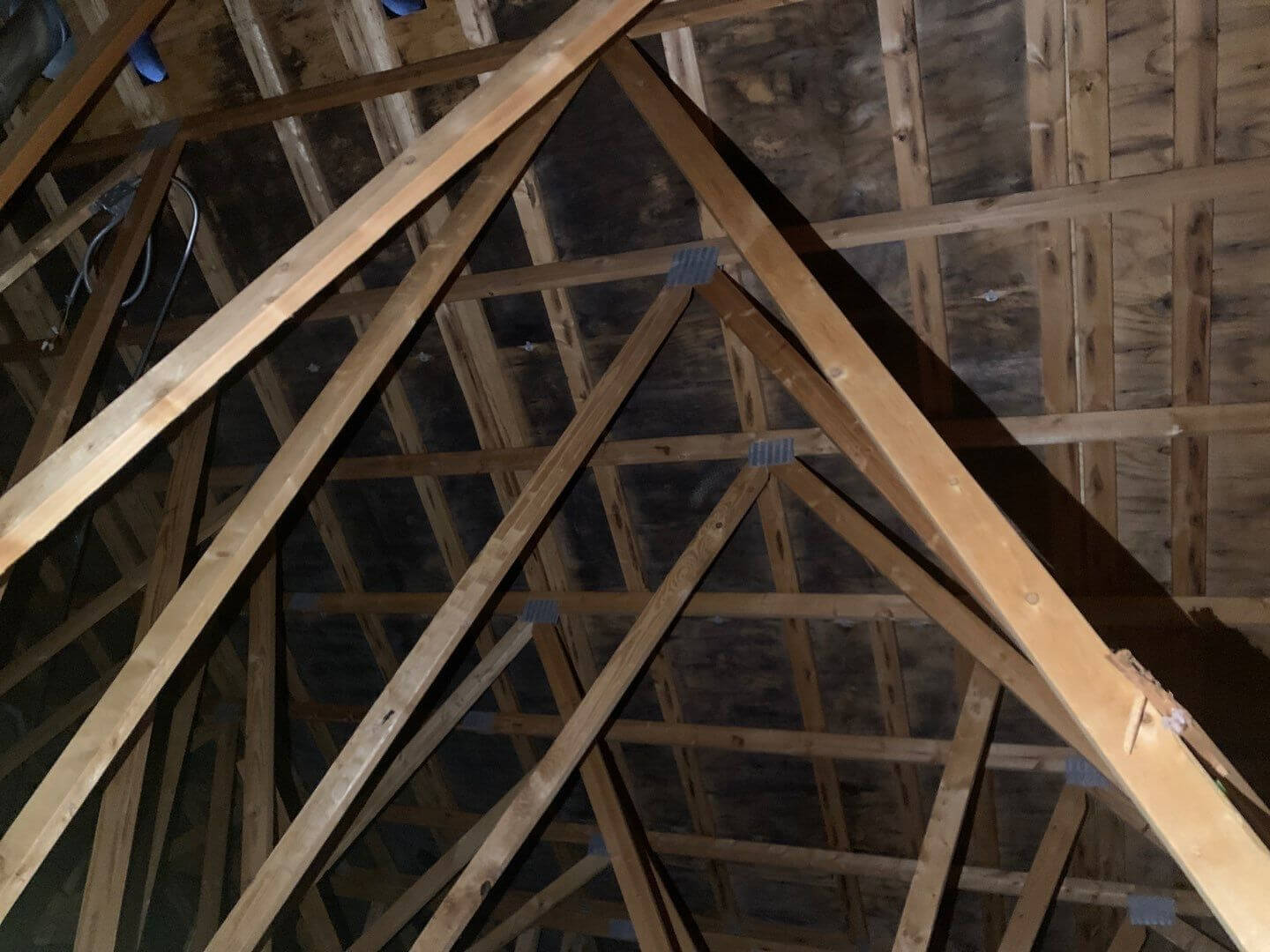
- The humidity was never addressed. Basements, crawl spaces, and bathrooms can feed mold on damp air alone. A treatment that ignores ventilation and humidity in those spaces is a countdown timer.
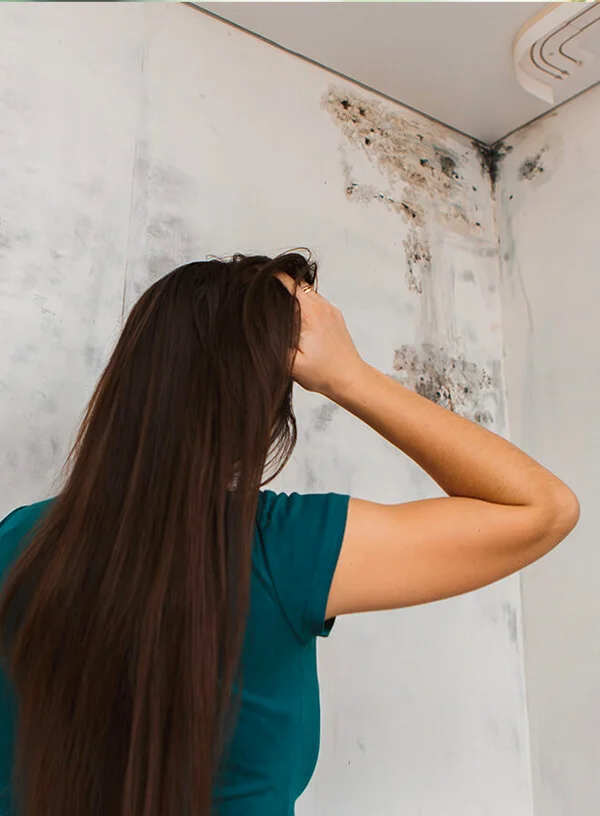
- The mold behind the surface was left alone. Wiping down a wall does nothing for the colony inside it. Mold behind drywall keeps growing in the dark, and it eventually announces itself again.
- The “treatment” was a coat of paint or a spray of bleach. Some operators spray a surface, paint over the stain, and call it remediation. Bleach doesn’t kill mold on porous materials, and paint just hides the evidence while the colony works underneath it.
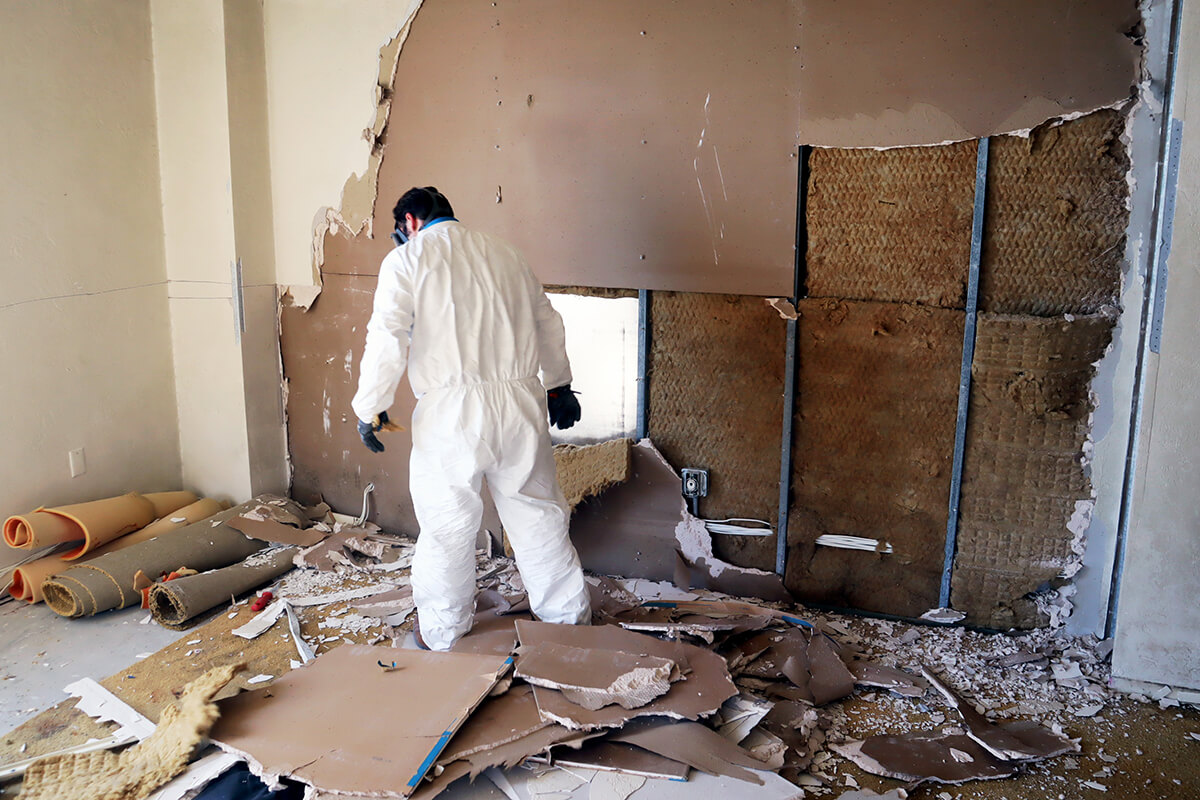
- No containment during the work. Disturbing mold releases spores. Without proper containment and air filtration, a sloppy job can seed spores into new areas of the house, which is how some homeowners end up with more mold locations after remediation than before it.
Notice that most of these aren’t exotic failures. They’re shortcuts. The EPA’s own guidance on mold cleanup is blunt about the core principle: if you clean up the mold but don’t fix the water problem, the mold will come back. Any company that skips the moisture investigation is ignoring the first rule of the job.
How do you know if remediation was actually done right?
Proper remediation leaves evidence. If the job was done right, you should be able to point to documentation, not just a cleaner-looking wall.
Run the work you paid for through this checklist:
- Was the moisture source identified in writing? The scope of work should name the cause: the specific leak, the humidity problem, the drainage issue. “Treated affected areas” with no cause named is a red flag in hindsight.
- Was the source actually repaired? Remediation and repair are sometimes separate trades, and that’s fine. But someone had to fix the water problem. If nobody did, the remediation was rented, not bought.
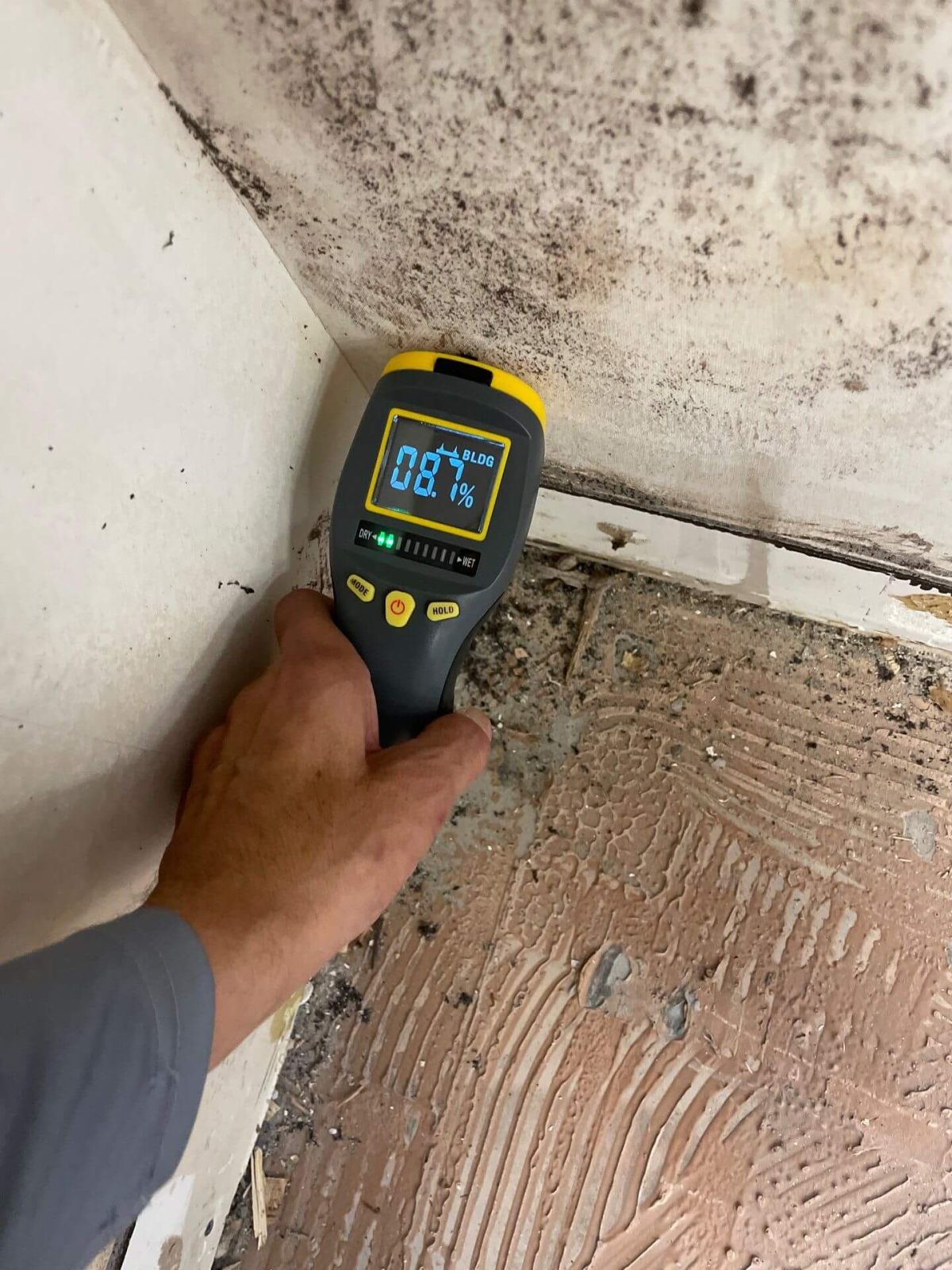
- Were moisture readings taken before and after? Numbers prove the area was dry when the crew left. No readings means nobody verified the one condition that determines whether mold returns.
- Was there post-remediation verification? The strongest jobs end with clearance testing, where sampling confirms mold levels are back to normal, ideally through an independent lab. A before-and-after gives you proof instead of a promise.
- Did the smell go away and stay away? Not scientific, but telling. That musty, earthy odor is mold announcing itself. If it faded for a month and crept back, trust your nose over the invoice.
If the answer to most of these is no, the recurrence isn’t a mystery. And if you’re now vetting a second company, the same standards apply going in. Our guide on spotting a mold remediation scam covers the questions to ask before you sign anything this time around.
What guarantees should a remediation company offer?
A written guarantee that covers regrowth in the treated area, with terms you can actually read. Confident companies put it on paper because they’ve fixed the moisture source and expect the mold to stay gone.
Here’s what a meaningful guarantee looks like:
- It’s written, not verbal. A handshake warranty is worth what it’s written on.
- It names a timeframe. One year is common. Longer is better. “Lifetime” deserves a close read of the fine print.
- It covers the treated areas specifically. No company can guarantee your whole house against all future mold forever, and one that claims to be overpromising. What they can guarantee is that the work they did holds.
- The exclusions are reasonable. Every guarantee excludes new water events, and that’s fair. A burst pipe next year isn’t the remediator’s fault. What you’re watching for are exclusions so broad they swallow the guarantee, like voiding coverage for “any moisture presence” in a basement that naturally runs humid.
Ask the question before hiring: “If mold comes back in the areas you treated, what exactly happens?” The answer you want is specific: they come back, verify it, and re-treat at no cost within the guarantee period.
Hesitation, vagueness, or a pivot to how it never happens tells you plenty.
Get a Fix That Actually Holds
If you’ve already paid for remediation once, you shouldn’t have to gamble on round two. Pur360’s process starts with finding the moisture source, verifies results through independent lab testing, and puts the guarantee in writing before any work begins.